Affordable Landscaping Santa Ana Tips for Improving Yards Without Overspending
A good yard in Santa Ana does not have to come from a blank check. In fact, some of the most attractive properties I have seen across Orange County were built in phases, with careful material choices, practical plant selection, and a clear understanding of what the homeowner actually needed from the space. Budget landscaping tends to work best when it solves problems first and decorates second. That approach keeps costs under control and usually produces a yard that looks better a year later, not just on installation day.
Santa Ana has its own set of realities. Water costs matter. Heat matters. Soil conditions vary more than people expect. Some neighborhoods have older irrigation systems that waste water quietly for months. Others have mature trees that create beautiful shade but complicate root zones, turf health, and drainage. If you want affordable landscaping Santa Ana homeowners can maintain without constant repairs, the smartest move is not to chase every trend. It is to invest in the parts of the landscape that do the heavy lifting.
Start with the problems that cost the most over time
When people think about landscape design, they often picture pavers, lighting, specimen plants, or a redesigned patio. Those are important, but the expensive mistakes usually start somewhere less glamorous. A leaking valve, poor grading, compacted soil, or an oversized lawn can eat through a budget much faster than a simple planting plan ever will.
I have walked plenty of properties where the owner wanted a full front yard landscaping refresh, but the real issue was runoff collecting near the foundation or sprinklers spraying half the sidewalk. Fixing those basics is not flashy, yet it changes everything. A yard with sensible irrigation and healthy soil supports plants better, needs fewer replacements, and looks tidier with less effort.
This is where many landscaping services in Santa Ana separate themselves. The better crews do not just offer a price for installing new material. They look at how the property functions. They ask where the water goes, which areas get brutal afternoon sun, where pets run, how often the owner landscaping service in santa ana wants to do lawn care, and whether the goal is curb appeal, entertaining, or easier upkeep. That conversation protects the budget.
Budget landscaping works best when you phase the project
Trying to complete every upgrade at once is where costs swell. A phased plan gives you control. It also lets you see how the yard behaves through a hot summer and a cooler season before you commit to every planting decision.
A practical first phase often includes irrigation repairs, site cleanup, pruning, mulch installation, and removing underperforming plants. That alone can make a yard look dramatically better. Phase two might focus on a patio border, drought-tolerant planting beds, or simplified backyard landscaping around a seating area. Phase three can handle decorative elements like lighting, specimen pottery, or a custom landscaping feature wall if the budget allows.
Phasing is not settling for less. It is how experienced property owners avoid spending money twice. I have seen homeowners install lush plantings before correcting sprinkler coverage, then pay to replace them months later. A slower plan would have cost less and looked better by the end.
Know where Santa Ana yards usually waste money
A lot of overspending comes from habits that made sense years ago but do not make much sense now in Southern California. Large thirsty lawns, mismatched plant palettes, frequent seasonal color changes, and cheap irrigation timers often cost more in the long run than a modest redesign.
Traditional turf still has a place, especially if children use it daily or a client wants a cooling visual effect in the front yard. But many yards have more grass than they truly need. Narrow strips along fences, isolated patches near driveways, and awkward corners behind air conditioning units are common examples. These areas often receive too much or too little water, are hard to mow cleanly, and tend to look ragged. Reducing turf in those spots is one of the most effective ways to lower lawn care and mowing services costs.
Mulch is another budget tool that homeowners sometimes underestimate. A proper mulch layer helps the soil hold moisture, suppresses weeds, moderates surface temperature, and makes a planting bed look finished immediately. Compared with many hardscape upgrades, mulch delivers an outsized visual return for the price. It does need replenishment, but not at the cost of a full redesign.
The best savings often come from plant choice, not bargain labor
Cheap labor can turn an affordable project into a costly repair job. Poor planting depth, bad staking, wrong irrigation scheduling, and careless trenching around roots create problems that surface later. If you are comparing bids, look beyond the bottom line. Ask what is included, how irrigation adjustments will be handled, whether mulch depth is specified, and how plant selection was chosen for the site.
For best landscape design on a budget, plant choice matters more than sheer quantity. A crowded installation may look fuller on day one, but it often leads to pruning headaches, plant competition, and replacement costs. A smarter layout leaves room for mature size and uses fewer, stronger choices repeated with discipline.
In Santa Ana, that often means leaning into plants that tolerate heat, reflected light, and periodic dry spells once established. It also means respecting microclimates. A shady courtyard with morning sun has different needs than a south-facing parkway baking against concrete. Eco friendly landscaping is not just a label here. It usually means choosing plants that can live with the local climate instead of fighting it with extra water and constant maintenance.
Where to spend first if the budget is tight
If the budget is limited, these are usually the upgrades worth prioritizing:
- Irrigation fixes and timer adjustments, because wasted water quietly drains money every month
- Cleanup, pruning, and removal of dead or failing plants, because order improves appearance fast
- Mulch and soil improvement in planting beds, because both support plant health and suppress weeds
- Reducing awkward or high-maintenance turf areas, because lawn care costs add up over time
- A small focal area near the entry or patio, because one polished zone improves the whole property
That list may sound simple, but it mirrors what often produces the strongest return. A neat, well-watered yard with healthy planting beds almost always feels more valuable than a yard packed with expensive features that are already struggling.
Front yards usually give the fastest visual payoff
For homeowners watching every dollar, front yard landscaping is often the smartest place to begin. It is the part of the property you see every day, and it has the largest effect on curb appeal. Even modest improvements, such as re-edging planting beds, replacing mismatched shrubs, refreshing mulch, and correcting irrigation overspray, can make an older home look significantly better.
In Santa Ana neighborhoods with mixed architectural styles, restraint tends to work well. A clean arrangement of low water plants, one or two well-placed accent shrubs, and a tidy path can outperform an overly busy design. This is especially true when the house already has visual character. Landscaping should support the architecture, not compete with it.
One practical example comes up often. A homeowner may want to remove the whole lawn because water costs are frustrating, but a full hardscape conversion can be expensive. A better middle ground is to keep a modest central turf panel and replace the surrounding edges with drought-tolerant beds and mulch. That preserves some softness while cutting irrigation demand and mowing area.
Backyard landscaping should match how people actually live
Backyard landscaping is where budgets either stay grounded or blow up. The reason is simple. The backyard invites imagination. Outdoor kitchens, fire features, pergolas, lighting systems, synthetic turf, retaining walls, and drainage upgrades all sound appealing, and many are worthwhile. But not every family uses the yard the same way.
The best budget decisions start with honest use patterns. If the household mainly wants a quiet place to sit after work, you may not need a major patio expansion. A compact seating pad, shade element, and softened planting edge could do the job for a fraction of the cost. If children need room to play, it may be better to preserve an open area and simplify the planting plan rather than cram the perimeter with delicate material that gets trampled.
Custom landscaping does not have to mean elaborate. Sometimes it just means tailoring the yard to the owner’s routine. I worked with one property where the client initially wanted a broad redesign, but after walking the site it became obvious that the real need was a cleaner path from the back door to a side gate, better evening lighting, and a shaded corner for morning coffee. The final project cost far less than the original concept and got used every day.
Irrigation is where many affordable projects succeed or fail
No california landscaping guide is complete without talking about irrigation. In this climate, water management is not a side issue. It is central to durability and cost control. Homeowners often assume their system is fine because water comes on and plants are alive. That is not the same as efficient coverage.
An irrigation service for homeowners should look at head alignment, pressure problems, clogged nozzles, controller programming, station separation, and whether lawn and planting beds are being watered with the same schedule. That last point causes endless waste. Turf, established shrubs, landscaping santa ana and new plantings rarely need the same frequency.
Drip irrigation in beds can help, but only when it is laid out well and maintained. I have seen plenty of drip zones with broken emitters, exposed lines, or uneven output. The idea is sound. The execution matters. If you are paying for upgrades, make sure the system can be adjusted as plants mature. That is the kind of detail that prevents future headaches.
For many Santa Ana homes, simply updating the schedule seasonally and repairing a few components can reduce water waste enough to pay back the service over time. It also improves plant health because overwatering is often just as damaging as underwatering.
Trees deserve careful judgment, not rushed trimming
A mature tree can be the most valuable landscape asset on a property. It gives shade, reduces heat load, adds privacy, and shapes the entire yard. It can also become an expensive problem if neglected or hacked back improperly. A basic tree service guide for homeowners starts with one principle: prune for health and structure, not just for short-term appearance.
Too many low-budget projects treat trees as an afterthought. Crews trim them aggressively to create immediate neatness, then the homeowner deals with stress growth, sunburn, weak regrowth, or exposed views a few months later. Proper tree work costs more than superficial cutting, but it is usually far cheaper than repairing storm damage, replacing dead material, or managing root conflicts that went unchecked.
If roots are lifting hardscape or crowding a turf area, do not assume removal is the only answer. Sometimes the better solution is to redesign the area around the tree, expand mulch rings, reduce irrigation near the trunk, or shift the use of the space. That kind of adaptation often protects both the budget and the tree.
Lawn care can be simplified without giving up a green yard
A lot of homeowners feel stuck between two extremes: a large traditional lawn that demands constant work, or total lawn removal. There is a middle path. Sensible lawn care focuses on right-sized turf, proper mowing height, and realistic expectations during heat.
The biggest lawn mistake I see in lower-cost maintenance is mowing too short. Scalped turf loses resilience, dries out faster, and opens the door to weeds. A decent grass mowing guide would stress consistency over aggression. Mow often enough that you are not removing too much blade at once, keep blades sharp, and do not irrigate based on guesswork. Those are basic principles, but they save money because healthy grass needs fewer interventions.
Mowing services also vary widely. Some crews do clean, reliable work and keep edges crisp. Others rush through and leave clumps, uneven cuts, and damaged sprinkler heads. If a property includes lawn, ask how often it will be cut during active growth and whether edging and debris cleanup are included. Affordable does not mean vague.
For homeowners who want less maintenance, reducing lawn to a functional core area often works better than eliminating it completely. You preserve the look and feel of green space while trimming recurring care costs.
Commercial landscaping follows the same budget logic, just at a larger scale
The principles that help homeowners also apply to commercial landscaping. Property managers in Santa Ana often face even tighter pressure because appearance affects tenants and visitors, while maintenance costs directly affect operating budgets. Here again, the smartest properties focus on irrigation efficiency, durable plant palettes, clean bed lines, and disciplined maintenance cycles.
Commercial sites tend to overspend when they rely on frequent cosmetic replacements instead of correcting the underlying issues. Seasonal flowers may brighten an entry, but if the irrigation is off, soil is depleted, or foot traffic is poorly managed, the display becomes a recurring expense without much staying power. A cleaner, more durable landscape design usually performs better over time.
This matters for small office sites, retail centers, and hardscaping santa ana ridgelineoutdoorliving.com multifamily properties alike. A tidy, functional landscape suggests competent management. It does not need to be lavish. It needs to be healthy and well maintained.
Materials that stretch the budget further
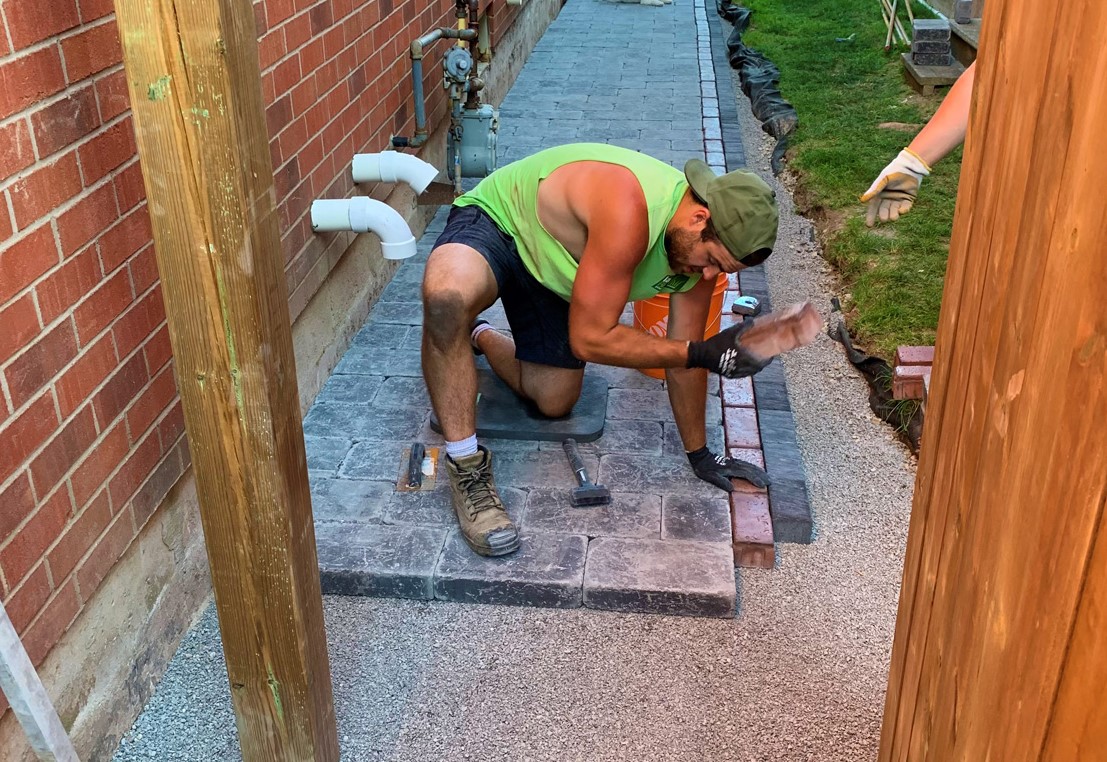
Hardscape decisions can make or break affordability. Natural stone is beautiful, but it is not always necessary for every project. Concrete, decomposed granite, gravel accents, and simple paver layouts can create a strong result when used thoughtfully. The mistake is mixing too many materials or chasing a luxury look on a modest budget. Simpler palettes age better and are easier to repair.
Mulch deserves another mention here because it acts as both a horticultural tool and a finish material. In planting beds, it covers a lot of square footage at relatively low cost and ties separate areas together visually. If you want a yard to look more intentional without a major spend, fresh mulch is one of the best moves available.
Container plantings can also help when installed strategically. A pair of quality pots near an entry, or a clustered arrangement on a patio, creates impact without reworking the whole yard. This is especially useful in rentals, starter homes, or phased projects where permanent changes are being done gradually.
Common budget mistakes to avoid
These mistakes show up again and again on Santa Ana properties:
- Installing too many plants too close together for instant fullness
- Keeping inefficient irrigation because replacement feels optional
- Choosing high-water or delicate plants for harsh exposures
- Spending heavily on decorative features before fixing drainage or soil issues
- Hiring the cheapest bid without clarifying maintenance needs and warranty details
Each one leads to extra spending later. Landscaping is full of delayed consequences. What seems cheaper at installation can become more expensive within a season or two.
How to evaluate landscaping services in Santa Ana without getting burned
If you are shopping for landscaping services in Santa Ana, ask direct questions and listen for practical answers. A professional should be able to explain why certain plants were chosen, how irrigation will be adjusted, what maintenance the new installation will need, and which upgrades can wait until a later phase. Beware of vague promises about low maintenance if the plant list and layout suggest otherwise.
It also helps to ask what they would not do on your property. Experienced contractors usually have opinions. They know when a large lawn is a bad fit, when a tree should be protected rather than boxed in, or when a low-cost material will fail under heavy use. That judgment is worth paying for because it protects you from spending money emotionally instead of strategically.

Photos of past work are helpful, but ask about projects six months or a year after installation if possible. Fresh landscapes can all look decent at first. The real test is how they settle in, how water is managed, and whether maintenance remains reasonable.
A better yard does not have to be a bigger yard
There is a tendency to equate improvement with expansion. More paving, more plants, more features, more complexity. In practice, the most satisfying affordable landscaping projects are often edits rather than overhauls. They remove what is not working, strengthen what already has value, and make the yard easier to live with.
That might mean preserving one beautiful mature tree, reducing an awkward lawn, building cleaner planting beds, updating irrigation, adding mulch, and sharpening the front entry. It might mean turning a cluttered backyard landscaping plan into a simple, shaded retreat with durable materials and a manageable plant palette. It might mean treating landscape design as a long-term investment instead of a one-time makeover.
For Santa Ana homeowners, that approach tends to hold up. It respects the climate, the water reality, and the practical side of ownership. The result is not just a cheaper landscape. It is a smarter one, which is usually what people wanted in the first place.